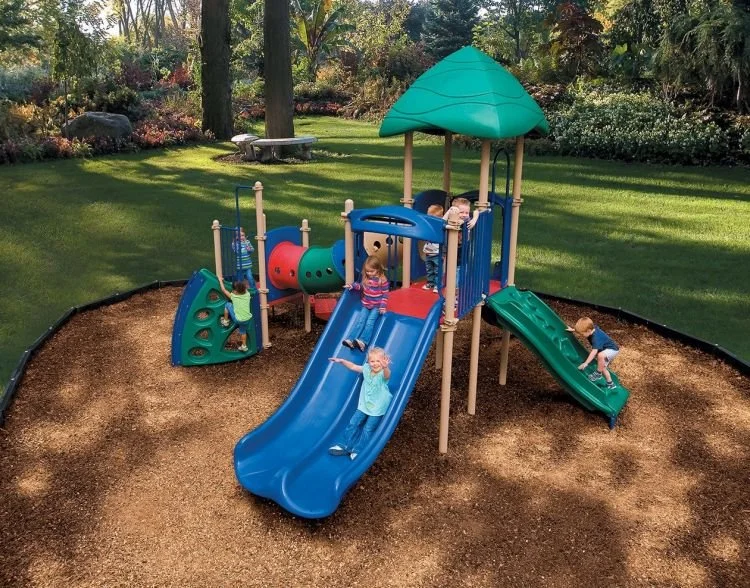
The Power of Play: Why Recess and Play-Based Learning are Essential for Student Success
In an educational landscape often focused on testing and rigorous academic schedules, the value of simple, unstructured time—like recess and play-based learning—is frequently underestimated. However, a growing body of research confirms that play is not a luxury; it is a foundational necessity for a child's holistic development, impacting everything from cognitive ability to emotional well-being.
Here's why schools must prioritize the power of play, backed by evidence.
1. Play-Based Learning Builds the Brain and Academic Skills
Play is an innate drive for children, and it is a powerful catalyst for cognitive development and academic performance. Far from being a distraction, play-based learning actively engages the parts of the brain responsible for higher-level thinking.
Enhancing Executive Functioning: Research from the American Academy of Pediatrics (AAP) indicates that play helps children build the executive functioning skills essential for learning. These foundational skills include self-control, mental flexibility (the ability to shift between tasks), problem-solving, and sustained attention.
Improving Academic Outcomes: Studies have shown that guided play, compared to direct instruction, has a greater positive effect on early math skills, shape recognition, and a child’s ability to switch tasks efficiently.
Fostering Conceptual Understanding: Through hands-on, exploratory activities like building, children naturally learn complex concepts such as spatial awareness, symmetry, and balance. Play cultivates a sense of curiosity, making the learning process more enjoyable and ultimately more effective.
2. Recess: The Crucial Break That Optimizes Cognitive Performance
Recess should never be viewed as lost instruction time. Instead, it is a planned, vital respite that optimizes a child's cognitive processing and enhances academic performance.
Restoring Attention and Focus: Allowing students an unstructured break from concentrated classroom work makes them more attentive and productive afterward. This interruption from a cognitive task directly leads to increased attention and more on-task behavior once they return to the classroom.
Reducing Disruptive Behavior: The opportunity for physical activity during recess allows students to expend energy and counteracts the sedentary time spent sitting at a desk. This break is directly linked to a reduction in disruptive behavior, helping students stay focused when it matters most.
Medical Recommendation: The American Academy of Pediatrics (AAP) strongly recommends daily recess, underscoring its crucial role in a child’s social, emotional, physical, and cognitive development.
3. Nurturing Social-Emotional Growth and Physical Health
Both play-based learning and recess are invaluable for developing the critical non-academic skills and physical health necessary for success in life.
Essential Social Skills: Unstructured free play, particularly during recess, creates a unique environment for children to practice and master vital social skills. Here, children learn how to cooperate, negotiate rules, compromise, and resolve conflicts. Additionally, engaging in pretend play helps children enhance communication and use more sophisticated language.
Mental Health and Stress Regulation: Play is essential for building emotional resilience, regulating stress, and protecting children against anxiety and depression. The AAP advises pediatricians to advocate for play just as they would for sleep and nutrition, noting that imaginative and physical play helps reduce toxic stress in a child's life.
Physical Development: Play allows for the development of both fine and gross motor skills, improves balance, and strengthens core muscles. The physical activity inherent in recess helps children meet the recommended 60 minutes of daily activity, supporting overall physical health and aiding in the fight against rising childhood obesity rates.
The Bottom Line
Research across multiple domains consistently shows that play is the "work of childhood" and a powerful strategy for holistic growth. By integrating quality play-based learning into the curriculum and ensuring regular, unstructured recess breaks, schools are not sacrificing academic rigor—they are strengthening the very foundations of a child's ability to learn, thrive, and become a resilient, capable adult.
Looking to upgrade your playground or outdoor learning spaces? We can help. Contact us today to discuss your needs.